a love of reading paired with aphantasia
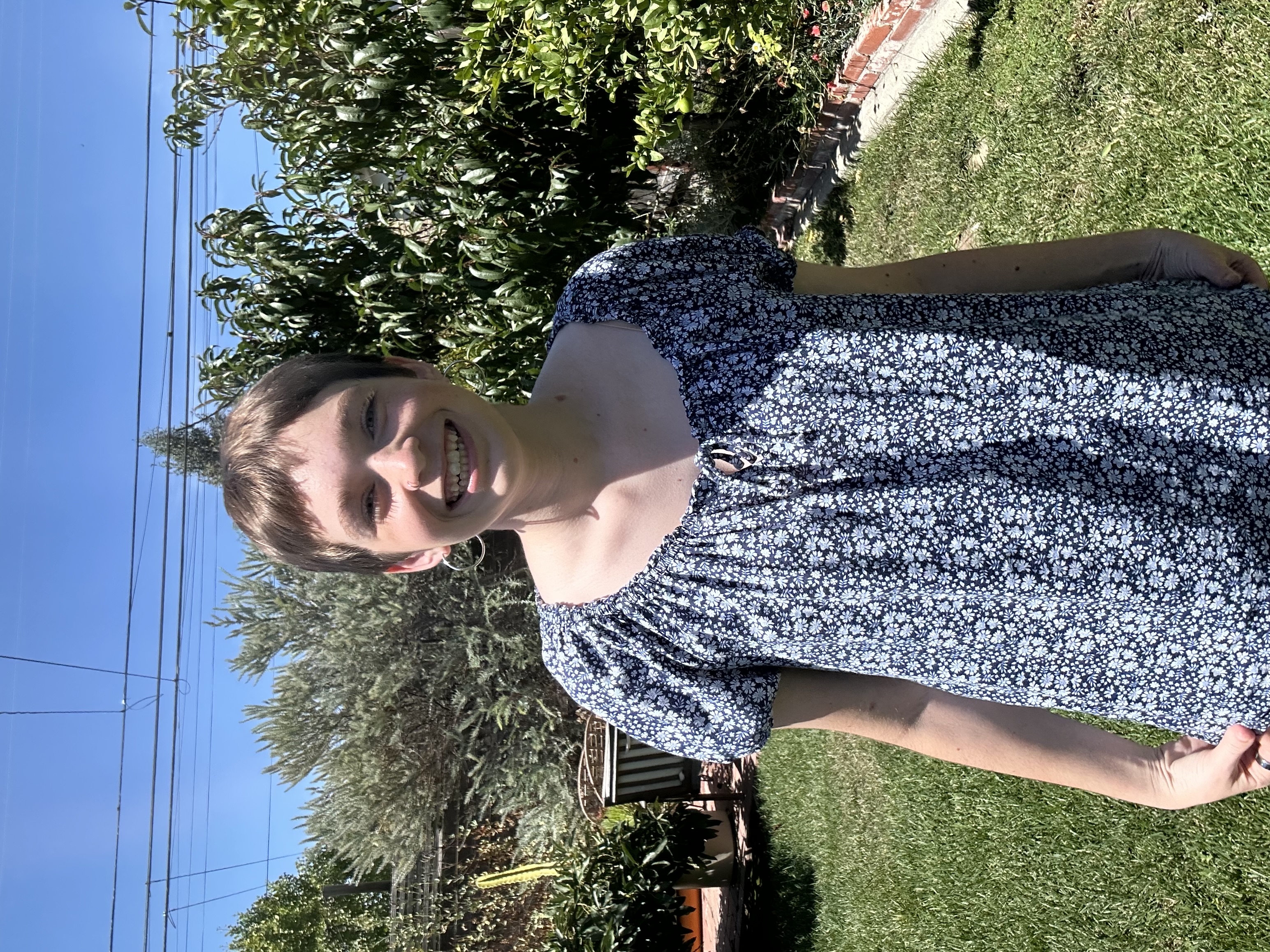
Hi! I'm back, I've been gone a while, life has been insane with school and moving. But I'm back now, and today I want to talk about an intersection between two things I'm passionate about: reading and autism. I am autistic, and I experience a thing called aphantasia. This is a different way of processing things visually. Now, this is my personal experience: for some individuals with aphantasia, they can't visualize anything. Personally, I can only imagine/visualize things I have seen before, and for faces, they're blurry, but I can kinda see them in my mind's eye.
Let us visualize two bedrooms first, my room: when you walk into my bedroom, there are 2 window panes directly in front of the door. To the left is my bed, to the right is my desk. Now, even though I am not currently in my room, I can see the mental image of my room in my mind, but if I take a room description from a book like this, "The girls' bedroom had bunkbeds beside glass paneled balcony doors and a lush pink carpet beneath them." I can only visualize a room I've seen before. I often try to morph multiple mental images into one another: my aunt's bedroom with a sliding glass door and the pink, furry carpet I saw once on Pinterest, and if I focus hard enough, they kind of merge into one image.
Now, some books have lavish descriptions, like those in Pride and Prejudice. I would never have chosen to read it on my own time because of all the imagery I can't see, but I had to read it for school. In those cases, I try to find artist depictions or movies that portray what I cannot see. I often skip the book descriptions. People think I'm a really fast reader, but the fact of the matter is, it's a lot faster to read books that have a lot of description if you just skip those pages.
Often, when I tell people about my experience with aphantasia and my inability to visualize things in the way that they can, people pity me and tell me I'm missing out on a lot, and that may be true. But I think I could say the same for them. I never would have gotten into nonfiction or stumbled across authors whose books I love deeply, but lack some of the descriptions others enjoy. Sometimes I am disappointed that I don't experience reading and visualization the way the general population does; other times, I feel like it doesn't matter. I still love books, and I still come back to reading time and time again.
Now, many wonder why I love reading so much when I can't see the description. Well, reading isn't all about what you can see for me; it's about the feelings it evokes, the knowledge gained, the lessons learned, and the stories read. Especially for me, as an autistic person, watching others navigate the world in book form, knowing how they feel and acting on it, having experiences I may never have because of my disability. I get to live in a way I wouldn't be able to on my own. I also read a lot of nonfiction, which is more accessible to me as someone with aphantasia, simply because description is not often necessary.
There is a correlation between aphantasia and autism although its like many other things understudied. I think the correlation between these two leads many neurodivergent individuals to struggle with reading or not enjoy it because of a disconnect in how we process and visualize while reading. For a long time, that was me too, and it still sometimes feels like reading is hard or disappointing, like I'm not getting enough out of it, like I'm missing what's not said directly, and the descriptions on top of that. For me, what I miss is less than what I gain, and so I keep reading.
I would love to one day see books made for neurodivergent eyes, with fonts easy for dyslexic individuals to read, and pictures for those with aphantasia. The bolded and nonbolded letters for adhd with Braille and a QR code to scan to listen to the book. Our world struggles, and often doesn't even try to make things accessible to neurodivergent individuals. As hard as it is, I want to work to make things more accessible and accommodating because we should be able to enjoy reading, too!


Comments